Match Prediction Using Pitch Report and Toss: CricArena Fantasy Cricket Guide 2026
Learn how to build a safer fantasy cricket match prediction from the pitch report, toss, weather, confirmed playing XI, and player roles with CricArena's practical 2026 checklist.
Compliance Notice: CricArena is a skill-based fantasy sports platform for adults in permitted jurisdictions. Predictions are analytical opinions, not guarantees. Check local laws and platform terms, set limits, and play responsibly.
Start With a Prediction Model, Not a Winner Guess
A useful cricket match prediction is not a confident sentence about who will win. It is a sequence of conditional decisions. Before the toss, you can estimate how the venue, weather, team balance, and likely roles may shape the match. After the toss, you replace assumptions with confirmed information: who bats first, which players are actually in the XI, whether a specialist has been left out, and whether the surface looks different from the preview. That second version should drive your final fantasy team.
On CricArena, separate the process into three columns: known, likely, and unknown. The venue and match format are known. Expected batting positions and bowling roles are likely, but not guaranteed. The toss decision, final XI, and any last-minute role change are unknown until officially announced. This discipline prevents a common error: treating an early preview as if it were a confirmed team sheet. A prediction becomes useful only when it explains what evidence would make you change the team.
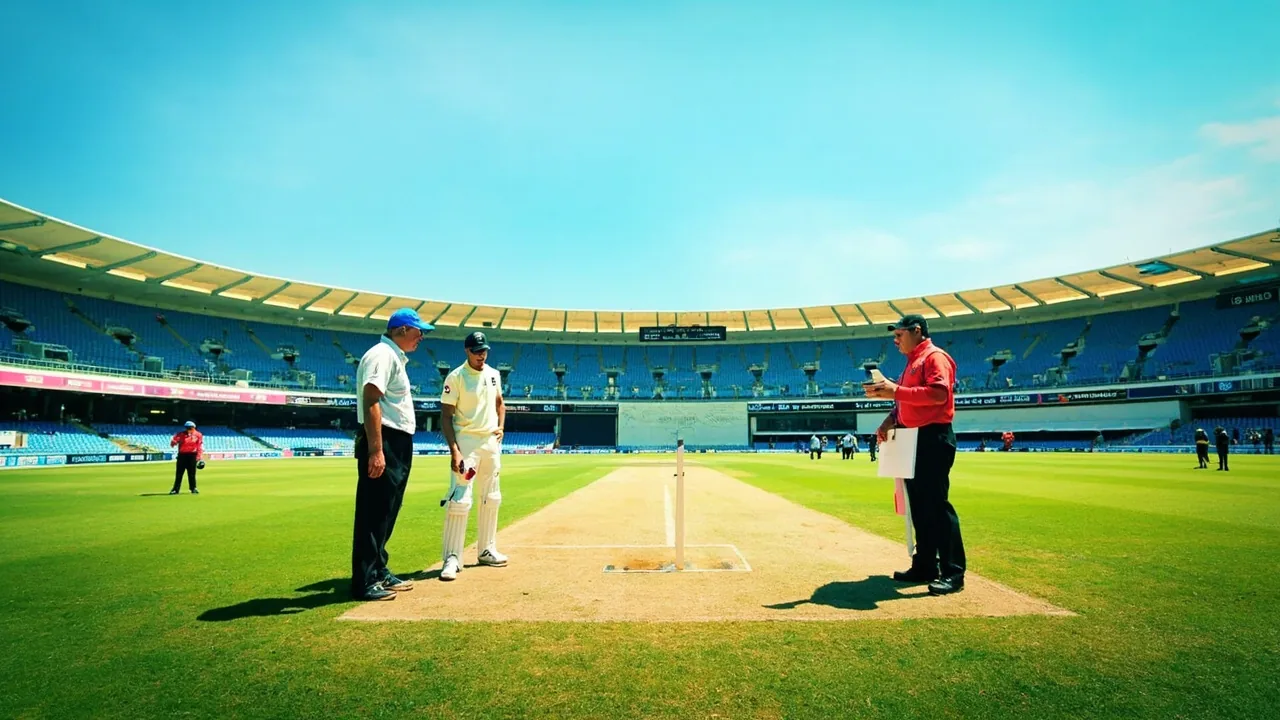
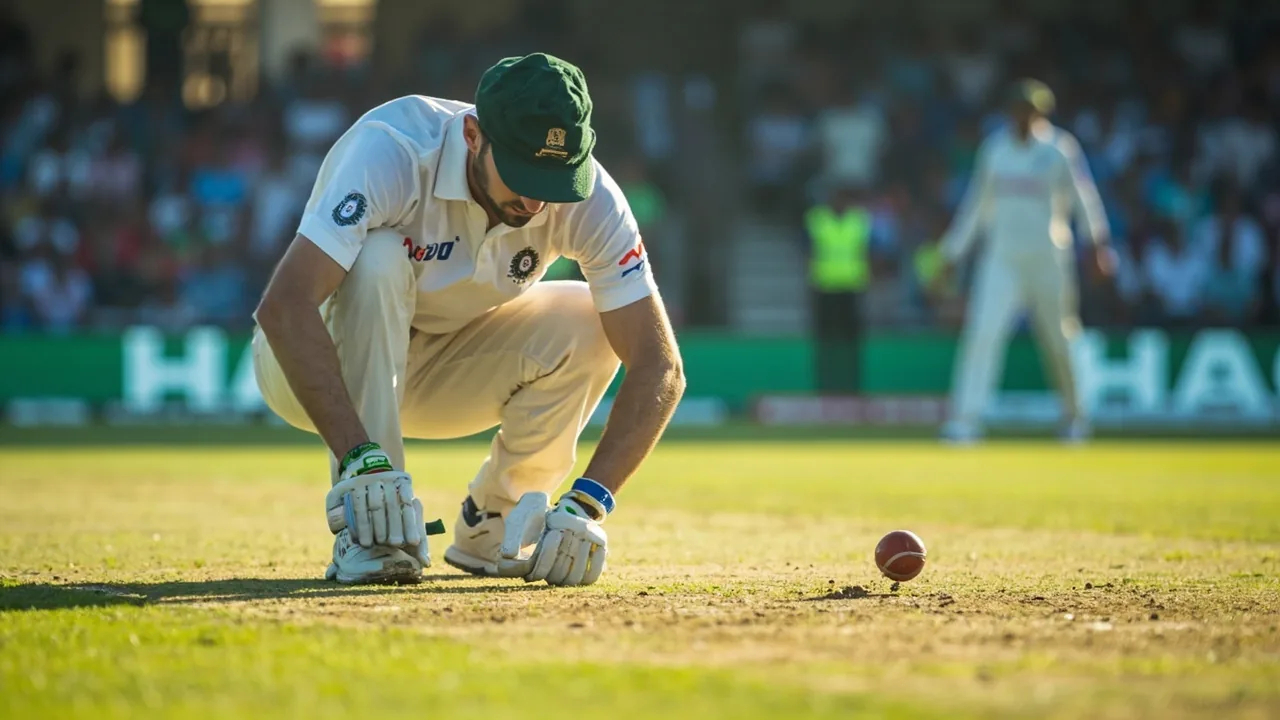
Read the surface as evidence: grass, dryness, moisture, cracks, and recent preparation can all influence role selection.
How to Read a Pitch Report Without Overreacting
Pitch reports are descriptive, not magical. Focus on observable features rather than labels such as “batting pitch” or “bowling pitch.” A visible grass covering can help the ball retain its seam and may protect the surface from breaking up quickly. A dry, abrasive top can offer grip to slower balls and spin as the match develops. Moisture near the start can help movement, while a hard and even surface may support truer bounce. None of these clues works alone: boundary size, outfield speed, weather, ball age, and player quality still matter.
Use recent matches at the same venue as context, but check whether they used the same strip and the same format. A Test surface, an ODI strip, and a short-format pitch can be prepared differently. Avoid copying a single historical score as the “par score.” Instead ask whether new-ball bowlers created chances, whether batters could hit through the line, when spin became effective, and whether chasing became easier or harder. Those role-based observations transfer better to fantasy decisions than one average score.
Weather, Dew, Wind, and Rain Change the Prediction
Weather can alter both the length and the shape of a match. Cloud cover may change visibility and atmospheric conditions, but it does not guarantee swing. Humidity may raise the chance of evening dew, yet dew must be assessed at the venue and time of play rather than assumed for every night match. When the ball becomes wet, gripping it can be harder for bowlers and fielders. Captains may prefer pace-off variations, defensive fields, or seam options that are less dependent on a dry ball. Batting can also become easier if the surface skids on.
Rain creates a different risk. A shortened match reduces the time available for accumulators to build an innings and increases the value of players with immediate involvement: openers, powerplay bowlers, death bowlers, and all-rounders with secure roles. Check the official match status and your fantasy platform's lock rules rather than relying on social-media forecasts. If overs are reduced after you have built the team, update captaincy toward players likely to influence the compressed phases.
Use the Toss as a Team-Editing Trigger
The toss matters because it confirms the innings order and reveals each captain's response to conditions. It does not automatically decide the winner. “Chasing is better” is useful only when supported by evidence such as dew, a surface expected to improve under lights, or a team whose strengths suit a chase. Likewise, batting first can be valuable when the pitch is expected to slow, scoreboard pressure is meaningful, or the first innings offers the best batting conditions.
Treat the toss as a trigger for edits. If a side bowls first on a fresh surface, its new-ball specialists receive immediate conditions-based relevance. If dew is likely in the second innings, consider how that affects spinners from the team bowling second. If a dry pitch may deteriorate, first-innings top-order batters and second-innings wicket-taking bowlers may become more attractive. The final prediction should therefore have an “if batting first” version and an “if chasing” version prepared before the coin goes up.
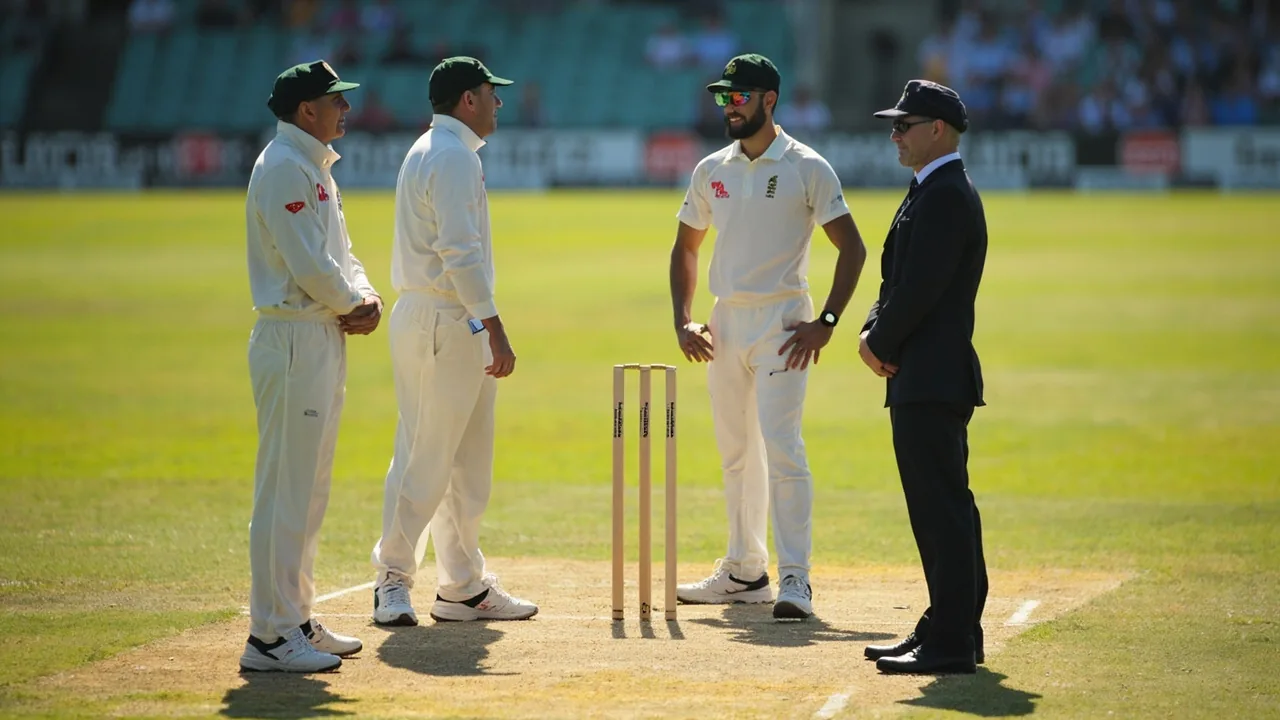
The toss confirms innings order; use it to update roles, not to replace all pre-match analysis.
Confirmed Playing XI and Role Clarity Beat Reputation
Never finalise a fantasy team from a probable XI when the confirmed XI is available. A famous player on the bench scores nothing, and a listed player can still have a reduced role. Read the XI together with team balance: the number of recognised bowlers, possible wicketkeeper, opening pair, middle-order finishers, and all-rounders who may cover overs. Impact-player and substitute rules can also change involvement, so check the competition's current playing conditions rather than assuming every tournament works like the IPL.
Role clarity is more valuable than name recognition. Prefer a batter with a secure top-order position over a bigger name likely to bat too low for the expected match length. Prefer bowlers who are likely to operate in wicket-producing phases over a player whose overs depend on game state. For all-rounders, require at least one dependable route to points and a realistic second route. “Can bat and bowl” is not enough if the player usually does neither for long.
Build a Conditions-Based Player Pool
After the XI is confirmed, divide players into a core, conditions picks, and differentials. The core contains players with secure opportunity: openers, high-volume top-order batters, primary wicketkeepers, lead bowlers, and genuine all-rounders. Conditions picks gain value from the pitch or innings order, such as new-ball seamers on a grassy surface or accurate spinners on a dry, gripping strip. Differentials should still have a clear role; low popularity alone is not a reason to select anyone.
Balance floor and ceiling according to contest type, but do not confuse risk with randomness. In smaller contests, secure roles and confirmed involvement generally matter more than an unusual combination. In larger fields, a lower-owned player can be useful when there is a sound reason the field may be underestimating the role. Make only a few evidence-based deviations. A team made entirely of speculative picks has no stable foundation even if the pitch report is correct.
Captain and Vice-Captain Need Two Independent Scoring Routes
Captaincy should combine opportunity with conditions. A top-order batter has access to more deliveries, but can still be fragile on a difficult new-ball surface. A lead bowler can have high wicket upside, but may be affected by dew or a shortened match. All-rounders can provide multiple routes to involvement, although only when their batting position and bowling workload are genuine. Check the platform's current scoring system because multipliers, economy rules, strike-rate rules, and substitute treatment can differ.
Do not make both multiplier picks depend on the same narrow event. Pairing two opening batters from one side may fail together if the new ball dominates. Pairing a top-order batter with a lead bowler or a role-secure all-rounder can diversify the paths to points. After the toss, ask whether each multiplier remains well placed in the expected innings. If the answer depends on an unconfirmed batting position or optional bowling spell, choose a more secure role.
Final checks should combine official XI information, innings order, weather, and role security before team lock.
The CricArena Five-Minute Final Checklist
First, verify the official toss and confirmed playing XIs. Second, remove every non-starter and review unexpected inclusions. Third, map the innings: who opens, who keeps wicket, who bowls with the new ball, who is trusted at the death, and which all-rounders have secure workloads. Fourth, compare that map with the pitch and weather. Fifth, recheck captain and vice-captain under the actual innings order. Save the team only after every selected player has a clear role-based reason.
Keep the language of prediction honest. Conditions increase or reduce probabilities; they do not guarantee outcomes. Injuries, fielding events, tactical changes, and exceptional performances can overturn a strong read. Use this guide for analysis and entertainment, follow local laws and platform terms, and never chase losses or treat fantasy sports as certain income. The most repeatable edge is not predicting every result correctly; it is avoiding preventable mistakes before lock.
Use a Source Hierarchy Before You Trust an Update
Give the highest weight to information that controls the match. Official tournament channels and team announcements should confirm fixtures, squads, toss, and playing XIs. Use the BCCI or ICC for relevant official competition updates, and the live broadcaster or official scorecard for toss and team confirmation. For laws and match mechanics, the MCC Laws of Cricket are more reliable than a social post summarising a rule. For India weather, compare venue-specific forecasts with the India Meteorological Department rather than trusting an unsourced rain percentage.
Secondary previews are useful when they show their reasoning and update close to the match, but keep facts and opinions separate. A reporter may accurately describe visible grass while still making an uncertain winner prediction. A creator may post a probable XI that becomes obsolete at the toss. Record the publication time, verify the claim against an official source, and do not pass an old team sheet off as current. If two credible sources disagree about conditions, lower confidence and build flexible alternatives instead of forcing certainty.
Frequently asked questions about pitch report and toss predictions
Does the toss decide a cricket match prediction?
No. The toss confirms innings order and shows how captains interpret conditions, but team quality and execution remain decisive. Use the toss to update player roles, new-ball exposure, dew risk, and chasing or defending scenarios rather than treating it as a guaranteed winner signal.
What should I check first in a pitch report?
Start with observable surface details: grass coverage, dryness, moisture, hardness, cracks, and recent preparation. Then add format, boundary dimensions, outfield, weather, and recent role-based venue evidence. Avoid relying on a single “average score” or generic batting-pitch label.
How does dew affect a fantasy cricket team?
Dew can make the ball wet and harder to grip, which may affect some spinners and fielding while helping the ball skid onto the bat. Its impact varies by venue and time. If dew is credible, reassess bowlers operating in the second innings and batters in the chase.
Should I wait for the confirmed playing XI?
Yes whenever the platform's lock time allows. A probable XI is only an estimate. The confirmed XI removes non-starters and helps you identify actual team balance, wicketkeeping duties, batting positions, new-ball bowlers, and potential substitute or impact-player roles.
Are venue averages enough for match prediction?
No. Venue averages can mix different pitches, seasons, formats, weather, and team strengths. Use recent matches as context, then focus on how wickets fell, when the surface changed, and which roles benefited. The current strip and confirmed teams matter more than one historical number.
What is the safest captaincy approach after the toss?
Prefer players with secure opportunity and more than one plausible scoring route. Recheck batting position, bowling phases, weather, and innings order. Avoid captaincy that depends on an optional role, an unconfirmed batting slot, or a single fragile match event.